No-Dig Soil Health: 7 Common Mistakes UK Gardeners Make
No-dig growing has a reputation as the easy option. Cover the ground, pile on compost, plant, done. In practice the method rewards attention more than effort, which is why so many plots quietly underperform in their second or third season. The beds look tidy, the compost goes on every autumn, and still the carrots fork and the beans sulk. Here are the mistakes that trip up UK gardeners most often, and what to do instead.
1. Believing no-dig means never touching the soil
The point of no-dig is to stop inverting and churning the soil, not to abandon it. A compacted pan 20 cm down will not heal itself simply because you stopped digging. If you have taken on a plot that has been walked over for years, or a new-build garden where machinery scraped and dumped the topsoil, you may need to break that layer once. Push a garden fork in, rock it gently back and forth, lift it out, move along. No turning, no mixing. Then mulch and leave it alone.
Nor is no-dig a ban on weeding. Perennial roots such as bindweed, couch grass and ground elder will travel happily through 8 cm of compost and emerge smiling. Dig them out by hand, repeatedly, and accept that it takes a season or two.
2. Walking on the beds
This is the single most damaging habit on most allotments. Every footprint presses soil particles together, squeezes out the air pockets roots and worms need, and undoes months of worm activity. On wet UK clay it is far worse: a saturated soil trodden in February can stay tight all summer.
A few rules keep compaction at bay:
- Keep beds to about 1.2 m wide so you can reach the middle from either side.
- Lay a plank across the bed if you genuinely must step on it, and spread your weight.
- Work only when soil is moist but crumbly. If it sticks to your boots in slabs, walk away.
- Store water butts, compost bins and pots on the path, never on a growing bed.
3. Mulching too thinly, or with the wrong material
A dusting of compost across the surface looks neat and achieves almost nothing. To suppress weeds, slow evaporation and feed the soil food web, you want roughly 5–8 cm of well-rotted material laid on top — garden compost, leafmould, spent mushroom compost, or a blend. Do not dig it in. The worms will pull it down for you.
Materials matter as much as depth. Fresh manure can burn young roots and brings weed seeds with it. A thick, unbroken mat of grass clippings goes anaerobic and slimy within days; mix them with cardboard or brown material instead. Unrotted woodchip dug into soil will tie up nitrogen while it breaks down, though as a surface mulch on paths and around established shrubs it is excellent.
Water first, mulch second
Mulching over dry soil locks in the drought. Soak the ground, then cover it. On heavy clay, autumn is the best time to mulch — it insulates, protects structure from winter rain and gives worms a long season of work. Mulching a cold, wet bed in March only delays warming.
4. Sowing straight into a thick layer of mulch
Fine seeds need contact with soil and light to germinate. Broadcast carrot, parsnip, lettuce or beetroot seed onto 6 cm of compost and germination will be patchy at best. Two approaches work. Either draw the mulch back, sow into the soil beneath, then close it gently around the seedlings once they are up — or raise transplants in modules and plant them through the mulch with a trowel, adding a handful of compost to each planting hole.
Either way, firm the soil around the roots and water in properly. A seedling sitting in loose, airy compost dries out fast and topples.
5. Overbuilding the layers
Cardboard lasagne beds have their place, especially for turning rough grass into growing space. But thick cardboard left over wet clay through winter can seal the surface and keep the soil beneath cold and airless for months. Strip off tape and staples, overlap sheets by at least 15 cm, wet them thoroughly, and cover with compost the same day so they do not blow about.
Equally, piling on endless brown material creates a bed that sits cold and hungry for a year or more. Keep it simple: cardboard for weeds, compost for growing, then plant.
6. Sowing and planting at the wrong moment
Most failures blamed on no-dig are really failures of timing. Seed dropped into cold, wet soil in early March tends to rot rather than sprout, and tender crops moved out before the last frost will be checked or killed. Wait until the soil is workable and has warmed; a cheap soil thermometer is more useful than a calendar. For early sowings, warm the bed first with cloches, fleece or black polythene for a fortnight.
Do not skip hardening off. Plants raised indoors or in a greenhouse have soft leaves and no wind resistance; give them a week of gradually longer spells outside before planting. And keep mulch away from stems — a collar of bare soil around courgettes, brassicas and young fruit bushes prevents rot and slug damage.
7. Never checking what is happening underfoot
Soil tells you what it needs if you look. Once a season, spend ten minutes on it:
- Lift a spade-sized block and count the worms. Plenty of them, plus fine roots and dark crumbs, means you are on track.
- Push a fork in. If it slides in easily and the soil crumbles, structure is good. If it thuds, compaction needs addressing.
- Cut the bottom from a tin, push it into the soil, fill with water and time how long it takes to drain. Slow drainage points to a pan or heavy clay.
- Smell it. Fresh, earthy soil is healthy. A sour or sulphurous whiff means waterlogging.
Keep a few notes each year — what you mulched with, when you sowed, what grew well. Patterns appear quickly.
A simple no-dig season, in order
In autumn, clear spent crops, leave roots in the ground where you can, spread 5–8 cm of compost and then stay off the beds. Through winter, plan, source your compost and make sure water is not standing anywhere. Come spring, check soil temperature before sowing, draw mulch back for seed, plant transplants through it, and mulch your paths to keep mud off your boots. In summer, water deeply rather than little and often, and top up mulch around thirsty crops such as courgettes and brassicas.
If a bed is underperforming, change one thing and watch what happens. Soil responds to patience, observation and a good pair of boots kept firmly on the path.
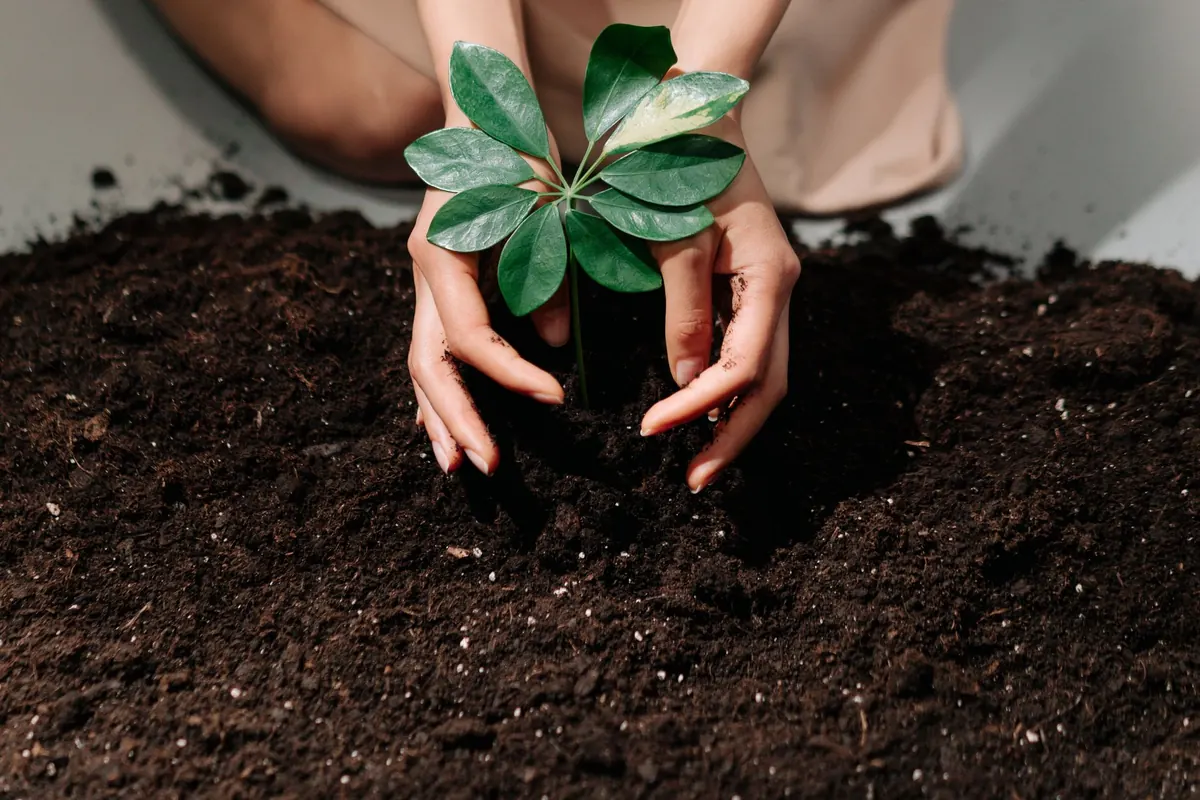
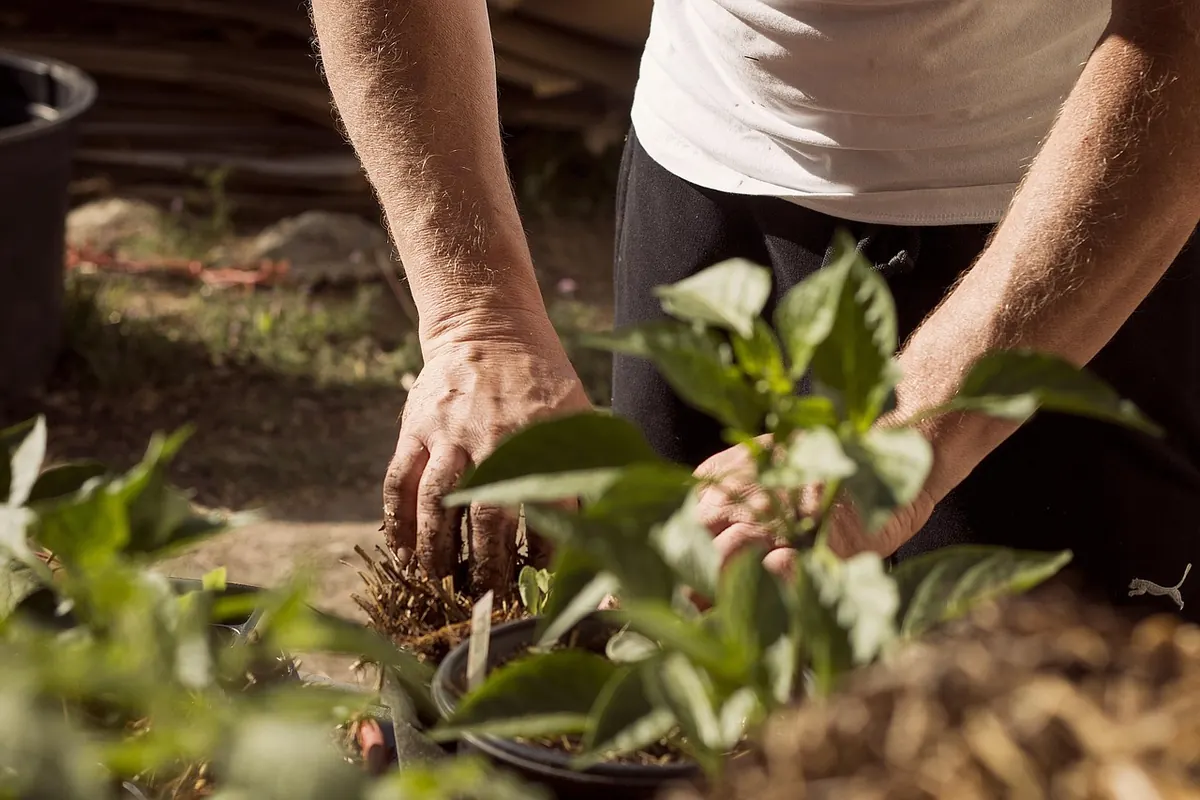
Photo: Ron Lach / Pexels
Troubleshooting a Smelly Compost Bin: 5 Common Causes and Fixes
A smelly compost bin usually comes down to too little air, too much water or too many greens. Here's how...
Beginner's Guide to Companion Planting in a UK Vegetable Patch
A practical UK guide to companion planting: which pairings genuinely help with pests and pollination, what...
About Us