Growing Beans in Pots: A Compact Guide for Balconies and Patios
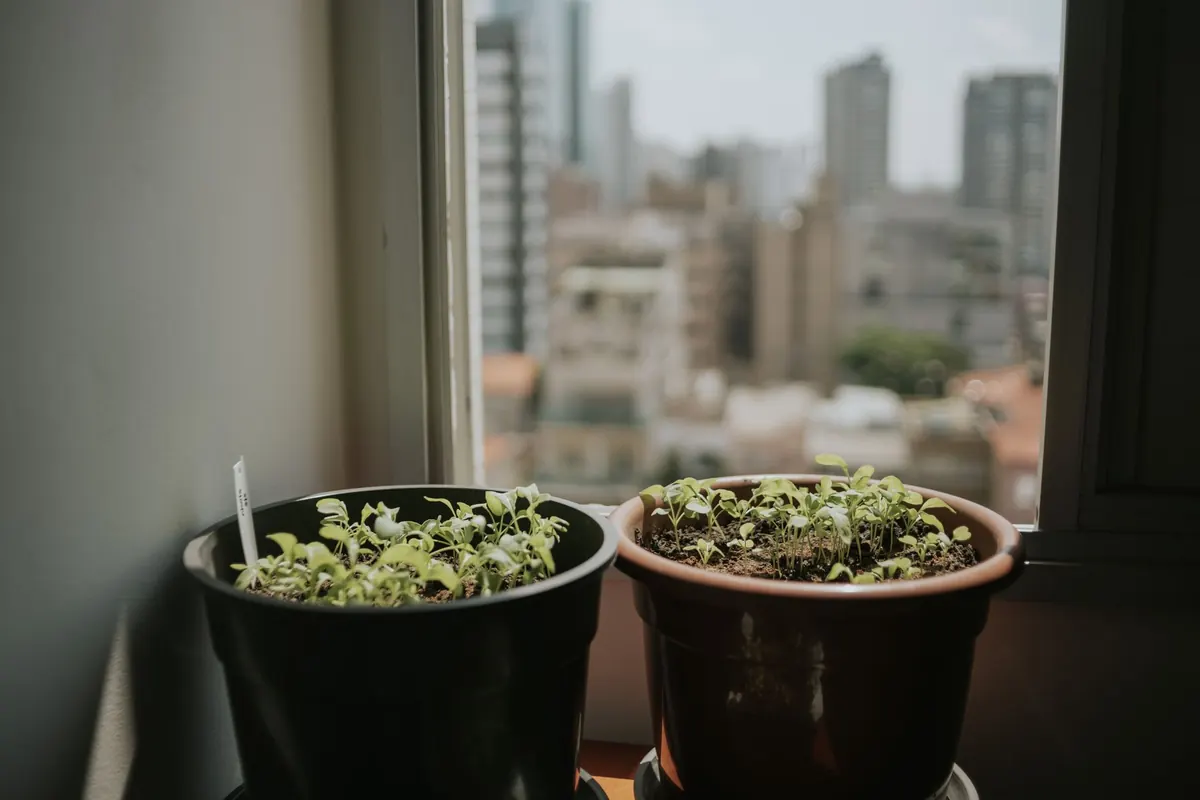
Beans are one of the most rewarding vegetables to grow in a container. They germinate quickly, grow visibly week by week, and keep producing pods for a surprising stretch of the summer if you treat them well. You do not need a raised bed or an allotment. A sunny balcony, a warm patio corner and a few decent pots will do.
The catch is that beans in pots fail for two predictable reasons: the wrong variety, or compost that dries out at exactly the moment the flowers open. Get those two things right and everything else is fairly forgiving.
Why beans suit containers so well
Dwarf French beans grow to roughly 30–45cm and hold themselves up, which makes them ideal for a pot, a trough or a grow bag. They have shallow, busy root systems that are happy in a restricted space, provided the volume of compost is generous enough.
They also fix nitrogen from the air with the help of bacteria in nodules on their roots. In practice, that means they are not heavy feeders. Give them reasonable compost and steady moisture, and they will look after the nutrition side themselves. Climbing runner beans, by contrast, want two metres of support and a lot of water — fine on a patio if you have a frame, less practical on a small balcony.
Choose a dwarf variety, not a climber
Read the height on the seed packet before anything else. Anything listed above about 60cm is a climber and will need canes or netting. For pots, look for the word dwarf, bush or compact.
- Dwarf French beans — the easiest choice. Reliable round-podded types include 'Provider', 'Speedy' and 'Tendergreen'. 'Purple Teepee' carries purple pods that turn green when cooked, which is fun with children.
- Dwarf runner beans — 'Hestia' and 'Robin Hood' stay compact and crop well in a large pot, though they still like a little support in wind.
- Broad beans — 'The Sutton' is genuinely dwarf and suits a deep pot, sown in autumn or early spring depending on your location.
French beans are tender: they will not tolerate frost at all, so sow once the risk has passed in your area, or start them indoors and move them out later. Broad beans are hardier and can go in earlier.
Pots, compost and drainage
Size matters more than material. A pot 25cm deep and 30cm across will hold four or five dwarf French bean plants comfortably. A 60cm trough will take eight to ten. Trying to squeeze more in is a false economy; crowded roots compete for water and the crop shrinks.
- Check for drainage holes. If there are none, drill some, or use the pot as a decorative outer and stand a smaller potted plant inside.
- Use fresh multipurpose compost, ideally with some garden compost or leafmould mixed through for body. Garden soil alone sets like concrete in a pot.
- Terracotta dries out quickly; plastic, glazed or fabric pots hold moisture longer.
- Stand pots on feet or stones so water can drain freely, and use a saucer in hot weather to catch run-off.
Sowing and spacing
- Fill the pot, firm the compost gently and water it thoroughly. Let it drain before sowing.
- Push each bean 4–5cm deep, with the small eye or scar facing downwards.
- Space seeds 10–15cm apart. A grid works better than a single ring, which crowds the centre.
- Water and keep the pot somewhere warm. Germination usually takes one to two weeks.
- Sow another small pot every three weeks from late spring to early summer for a continuous supply rather than one glut.
Do not soak the beans first. They can split or rot in cold, wet compost, and there is no real benefit.
Support, even for dwarf types
Dwarf beans do not need a wigwam, but they do benefit from a little help. A circle of short twiggy sticks pushed into the compost, or a ring of soft string tied around a few 60cm canes, keeps the plants upright and holds the pods off damp compost.
Wind is the real enemy on upper balconies. A gust can snap stems or flatten a whole pot. Put the pot where a wall or railing gives some shelter, use a low windbreak such as a piece of trellis or a row of sturdier pots, and weight the base of lightweight containers so they cannot topple. Tie stems loosely with soft string, never tightly.
Watering and feeding
Watering
In July a 30cm pot can need watering once a day, and twice on a hot, breezy day. Push a finger in to the second knuckle to check before you reach for the can. Water at the base in the morning, aiming at the compost rather than the leaves — wet foliage encourages mildew later in the season.
From the first open flower to the last pick, aim for compost that feels like a wrung-out sponge: damp throughout, never sodden.
Letting the compost dry out at flowering is the most common reason for a disappointing crop. The plants drop their flowers and the pods that do form turn stringy. Group pots together so they shade each other slightly, and lay a thin mulch of gravel or compost on the surface to slow evaporation. Empty any saucer that stays full for more than a day, because waterlogged roots rot.
Feeding
Fresh multipurpose compost usually carries enough nutrition for the first few weeks. After that, a potassium-rich liquid feed every ten days to a fortnight, once flowering starts, supports pod production. A tomato feed is a perfectly good stand-in. Avoid high-nitrogen feeds: they give you tall, leafy plants and very few beans.
Pests, picking and the end of the season
Blackfly gather on the soft growing tips. Pinching those tips out when plants reach around 30cm encourages a bushier shape and removes the aphids' favourite spot — and the tips themselves are good eaten raw or stir-fried. Watch for slugs and snails on young shoots, and for pigeons pecking at seedlings.
Pick pods when they are 10–15cm long and still slim, before the beans inside swell. Harvest every two or three days; plants that are left to mature their pods simply stop flowering. Powdery mildew, a white dusting on the leaves in late summer, is best managed with good airflow, consistent watering at the base and prompt removal of affected leaves.
At the end of the season, cut the plants off at compost level and leave the roots in the pot to break down. The tops can be composted unless they are diseased.
A simple plan for your first pot
Start small and get the basics right. Fill one 30cm pot with fresh multipurpose compost in late spring, sow five dwarf French bean seeds, water them in and stand the pot in the sunniest spot you have — beans want at least six hours of direct light a day.
Once the seedlings are up, thin or leave the strongest four. Add a few twiggy sticks for support, mulch the surface, and check the compost every morning from the moment the first flower opens. Pinch out the growing tips at around 30cm, feed every ten days or so, and pick little and often.
One pot will not feed a family, but two or three sown three weeks apart will give you a steady bowlful through the summer. That is a good return from a square metre of balcony.
Photo: Letícia Alvares / Pexels
Troubleshooting a Smelly Compost Bin: 5 Common Causes and Fixes
A smelly compost bin usually comes down to too little air, too much water or too many greens. Here's how...
Beginner's Guide to Companion Planting in a UK Vegetable Patch
A practical UK guide to companion planting: which pairings genuinely help with pests and pollination, what...
About Us